
WASHINGTON — The United States has officially lost its measles elimination status, 26 years after it was first declared measles-free, after the Pan American Health Organization (PAHO) determined on Tuesday that the virus has been spreading continuously inside the country for more than a year. Mexico and Bolivia lost their status the same day.
PAHO, the Americas arm of the World Health Organization, announced the decision on November 17, 2026, formalizing a finding its expert panel reached the previous week. "The endemic measles transmission has now been re-established in Bolivia, Mexico and United States," PAHO Director Jarbas Barbosa said at a news briefing, Al Jazeera reported.
The United States had held elimination status since 2000. Losing it reverses a public health achievement maintained for 26 years, and comes as the country faces its largest measles outbreak in more than three decades.
How the decision was made
The finding came from PAHO's Measles and Rubella Elimination Regional Monitoring and Re-Verification Commission, a panel of eight independent experts that met in Washington from November 10 to 13 to review epidemiological and laboratory evidence submitted by the US Centers for Disease Control and Prevention (CDC). The panel recommended that the elimination status be withdrawn, and Barbosa accepted the recommendation, PAHO said in its announcement.
The test the commission applies is precise: a country loses elimination status when the same measles virus genotype and lineage circulate uninterrupted for 12 months or more. For the United States, the chain of infections began on January 20, 2025, with the outbreak that started in West Texas, and passed the 12-month threshold on January 20, 2026. Mexico's chain began on February 1, 2025. The Wall Street Journal first reported on Friday, November 13, that the panel had voted to revoke the status.
Elimination never meant zero measles. Imported cases and limited outbreaks still occurred in the United States after 2000. What elimination meant was that those outbreaks ended within a year. That is no longer happening: the same strain has now kept passing from person to person for well over a year.
The numbers behind the verdict
The CDC counted 5,412 confirmed measles cases in the United States in 2026 as of November 12, across 45 states and the District of Columbia — more than double the 2,289 cases recorded in all of 2025, and roughly 2.4 times last year's total. In total, the United States has recorded about 7,700 measles infections since the beginning of 2025, according to CDC figures cited by Al Jazeera. More than 590 people have been hospitalized, and three states have reported a total of 10 deaths this year.
For comparison, the United States averaged about 180 measles cases a year between 2000 and 2024, according to ABC News. The West Texas outbreak that began in early 2025 grew within seven months into the biggest US outbreak since 1992, and spread to Mexico and other states.
The resurgence is regional, not only American. PAHO reported 58,213 confirmed measles cases and 82 deaths across the Americas as of November 13, 2026, against 12,806 cases in the same period of 2025. Canada lost its own elimination status in November 2025, after three decades. With the latest decision, the Americas no longer has any country in North America holding measles elimination status.
Why it happened, and what happens now
Barbosa and other PAHO officials pointed to gaps in vaccination coverage as a significant cause. PAHO says the way to maintain elimination is to keep at least 95% two-dose vaccination coverage in every community, with strong surveillance and rapid outbreak response. "Measles is resurging globally amid persistent gaps in vaccination coverage," Barbosa said.
The three countries that lost their status must now submit a corrective action plan to PAHO in the coming weeks, and PAHO said it will send its recommendations to the countries in the next few days. In a joint statement issued on Tuesday, the CDC said it remained committed to stopping measles outbreaks and regaining the country's elimination status. CDC Director Erica Schwartz said the agency "remains committed to regaining elimination status."
Getting the status back will take time. A country must not only stop the ongoing outbreaks, but prove that no one caught measles within its borders for a full year, while demonstrating strengthened vaccination, surveillance and outbreak-response capacity. The US elimination status for rubella and congenital rubella syndrome is unchanged.
The decision itself imposes no new rules on the public: no new requirements were announced with it, and US health authorities still recommend the MMR vaccine. What changed is the formal record — after 26 years, measles is officially endemic in the United States again.
What remains to be confirmed
PAHO has not yet published its detailed recommendations to the three countries, which it said would follow in the next few days, and the corrective action plans are still to be submitted. The CDC's case counts are preliminary and continue to be updated. It is also not yet clear how quickly vaccination coverage can be raised in the communities where the virus has kept circulating, which is the decisive factor in whether the United States can interrupt transmission and start the 12-month clock toward regaining its status.
Related coverage: India Slashes Prices of 137 Cancer Drugs by Up to 96% as New Rates Take Effect November 9 · The Blood Pressure Problem Your Doctor Can't See May Raise Older Adults' Fall Risk by 70%
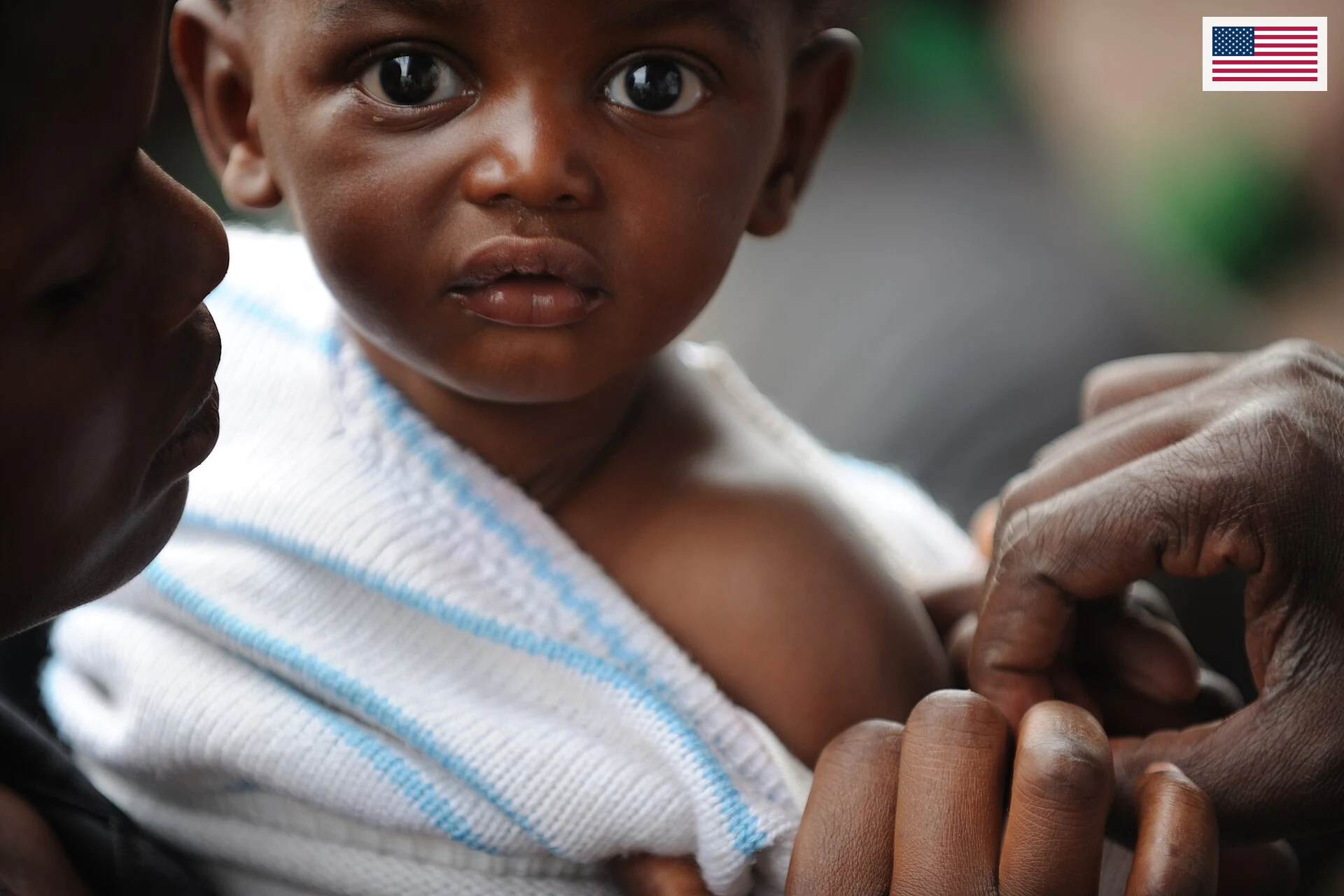
A child is vaccinated against measles by UNICEF at Kibati Camp in Rwanda in 2008. Photo: Julien Harneis, CC BY-SA 2.0, via Wikimedia Commons.